How to Choose Your Sumi Ink Stick

A sumi ink stick is soot, animal glue, and a little camphor — ground with water on a stone. Ours are made by hand in Nara and dried for two years. They look alike, but no two blacks behave the same.
You do not need to know sumi to choose well. Any one of these narrows the shelf to a handful.
1. What will you make with it?
2. What should the black look like?
3. Who is it for?
1. Shop by creative style
Ink sticks are not interchangeable. The use decides the black you need.
Shodo & Sumi-e
Characters written with a brush; pictures painted with the same ink.
-
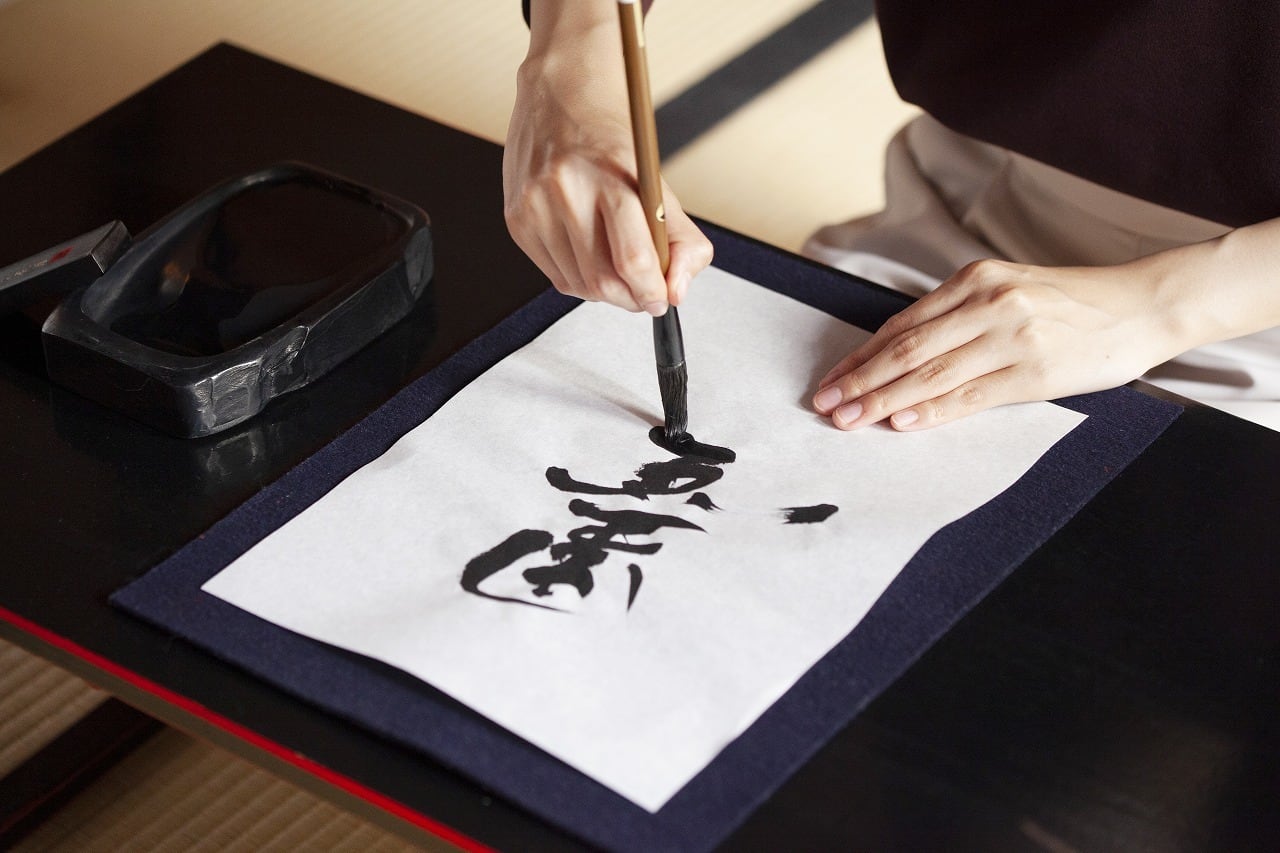
Bold & Dynamic Stroke
Chosen for a thick brush. Dense enough to carry bold, powerful strokes. -

Fine & Detailed Script
Suited to a fine brush. Keeps thin, precise lines under close control. -
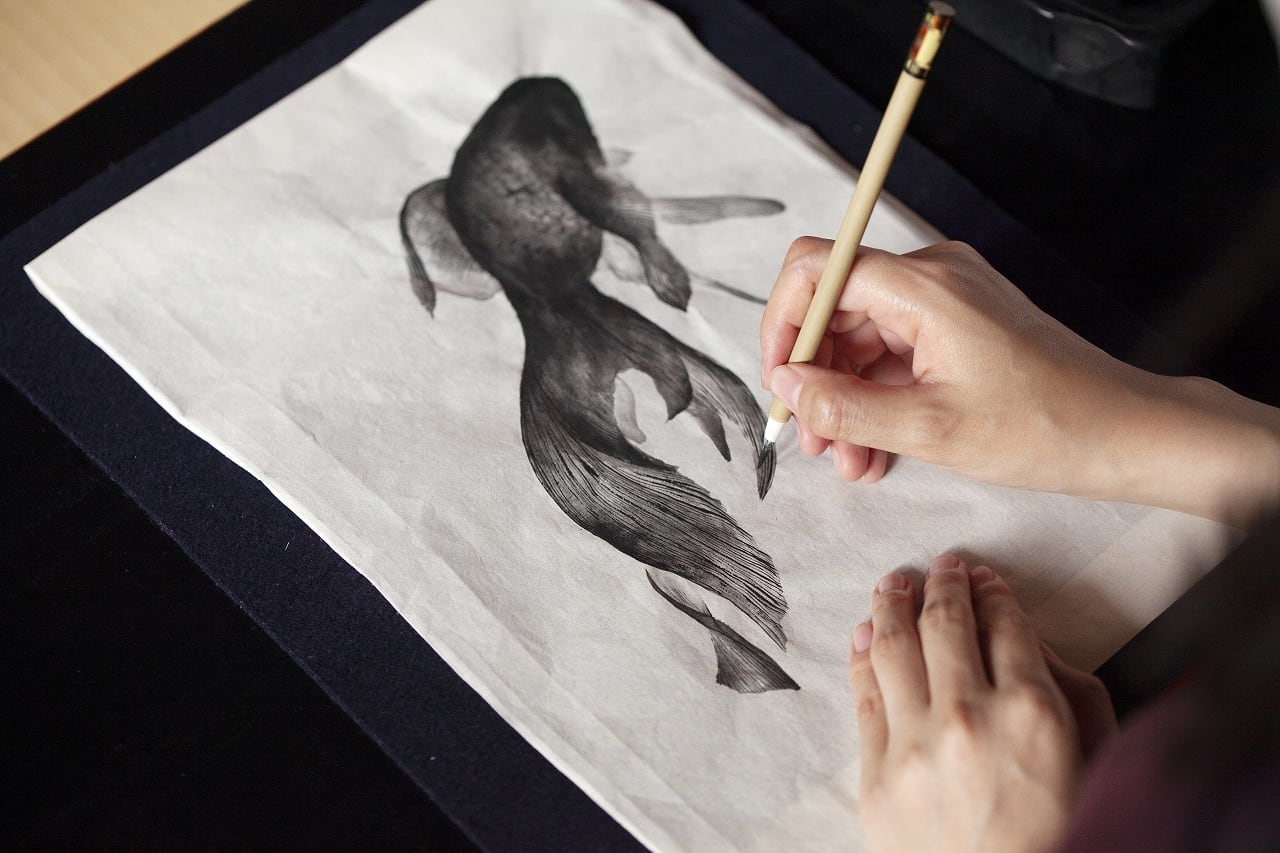
Sumi-e / Ink Wash Painting
Thinned into a light wash. Clear gray, across a wide range of depth.
Modern Ink Art & Illustration
Sumi used the way a dip pen or fine brush is used.
-
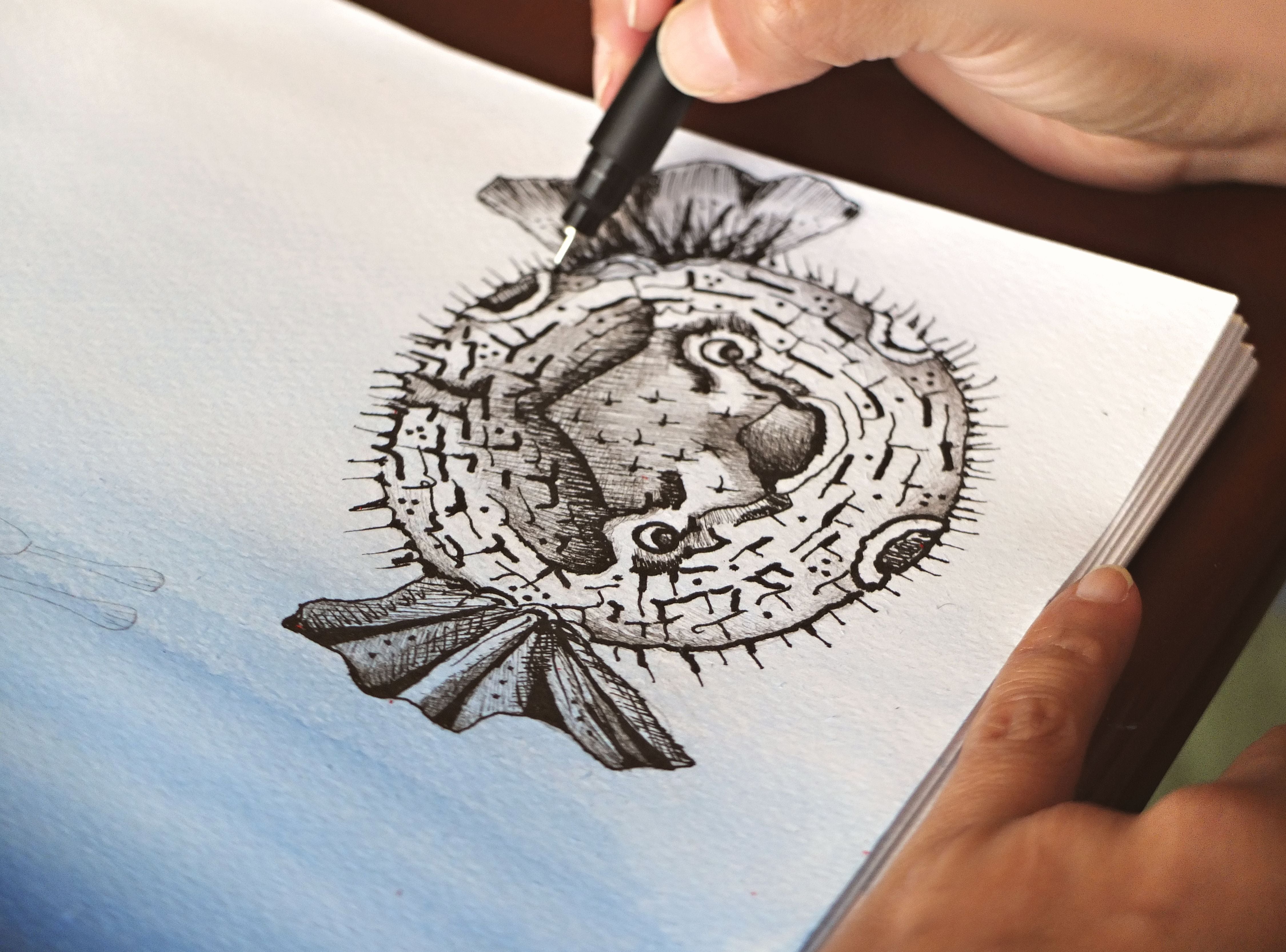
Drawing & Sketching
A strong, clearly defined black. Lines stay crisp on the page. -

Manga & Anime Illustration
From fine linework to dense, sharply defined blacks. -
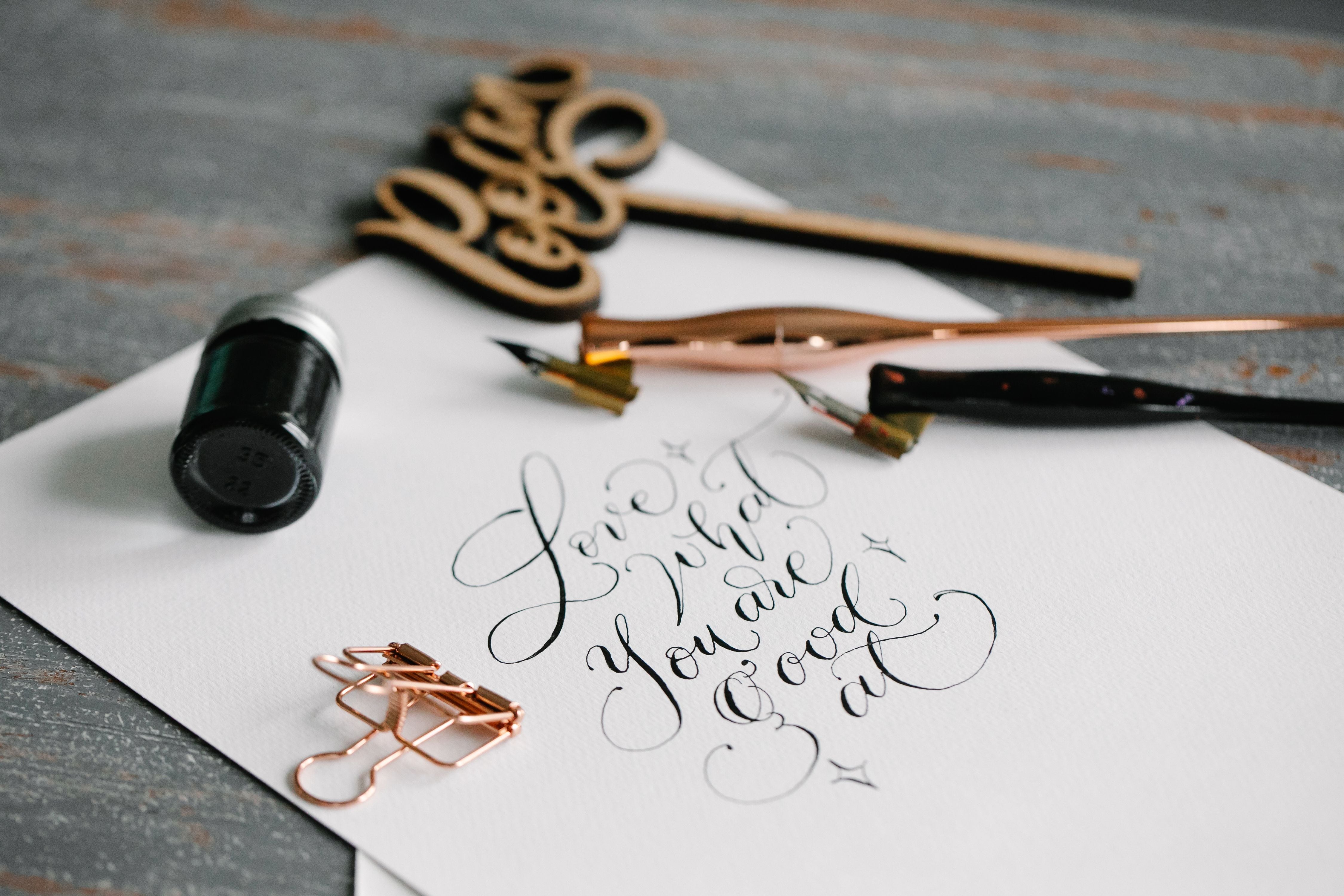
Western Calligraphy & Lettering
Delicate work. Hairlines and fine detail stay under control.
Specialty & Craft
Where sumi leaves the page — floated, dyed, and drawn.
-
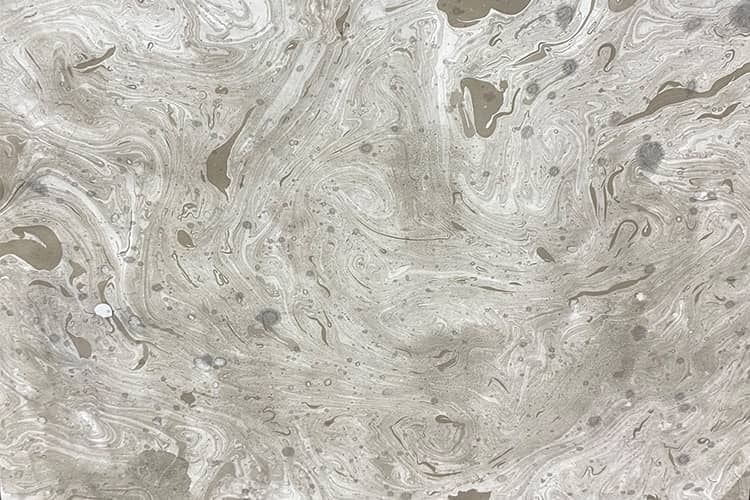
Suminagashi (Paper Marbling)
Black and gray read clearly as the pattern spreads on water. -
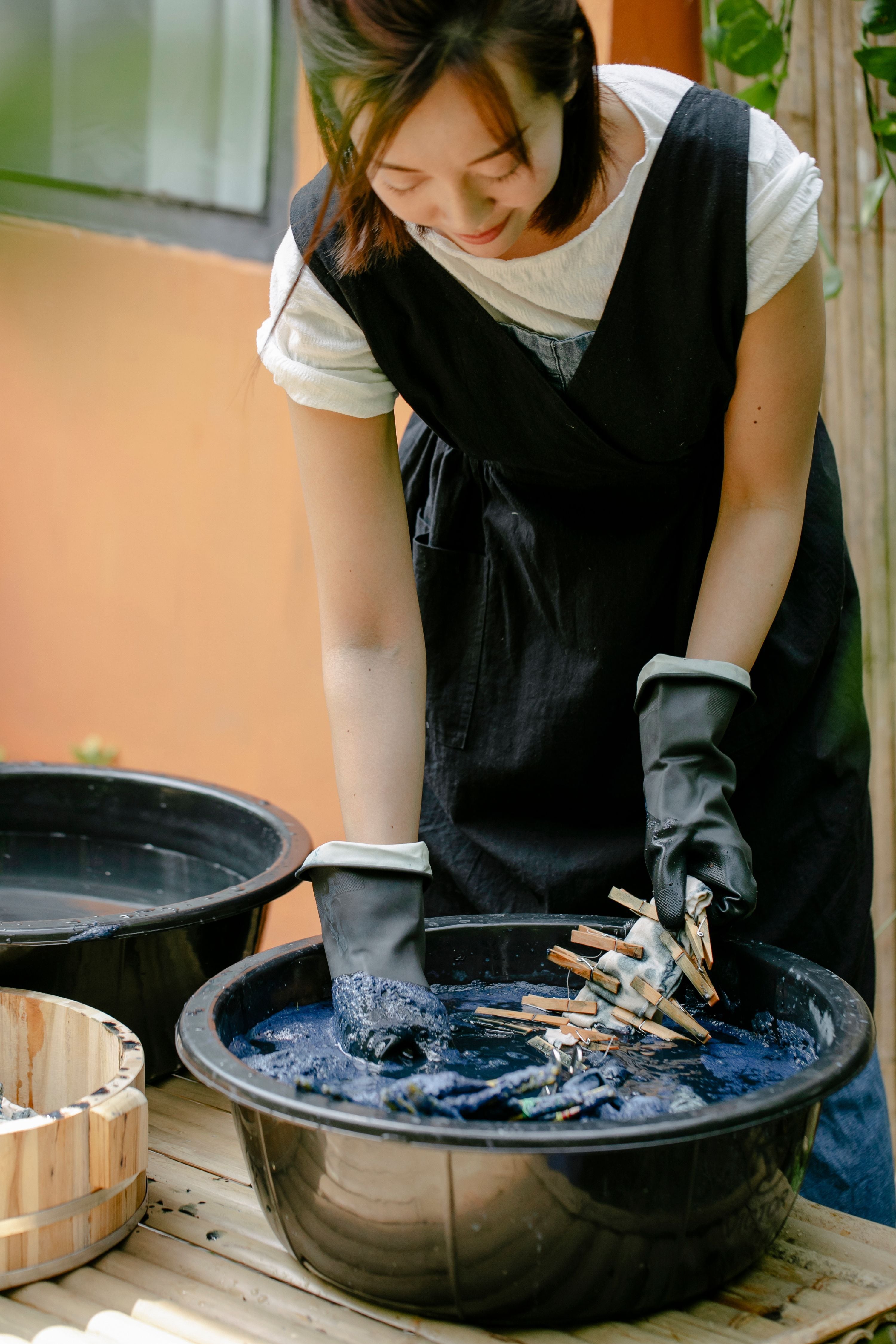
Textile Dyeing
Made with traditional pine soot. The standard choice for dyeing.
-
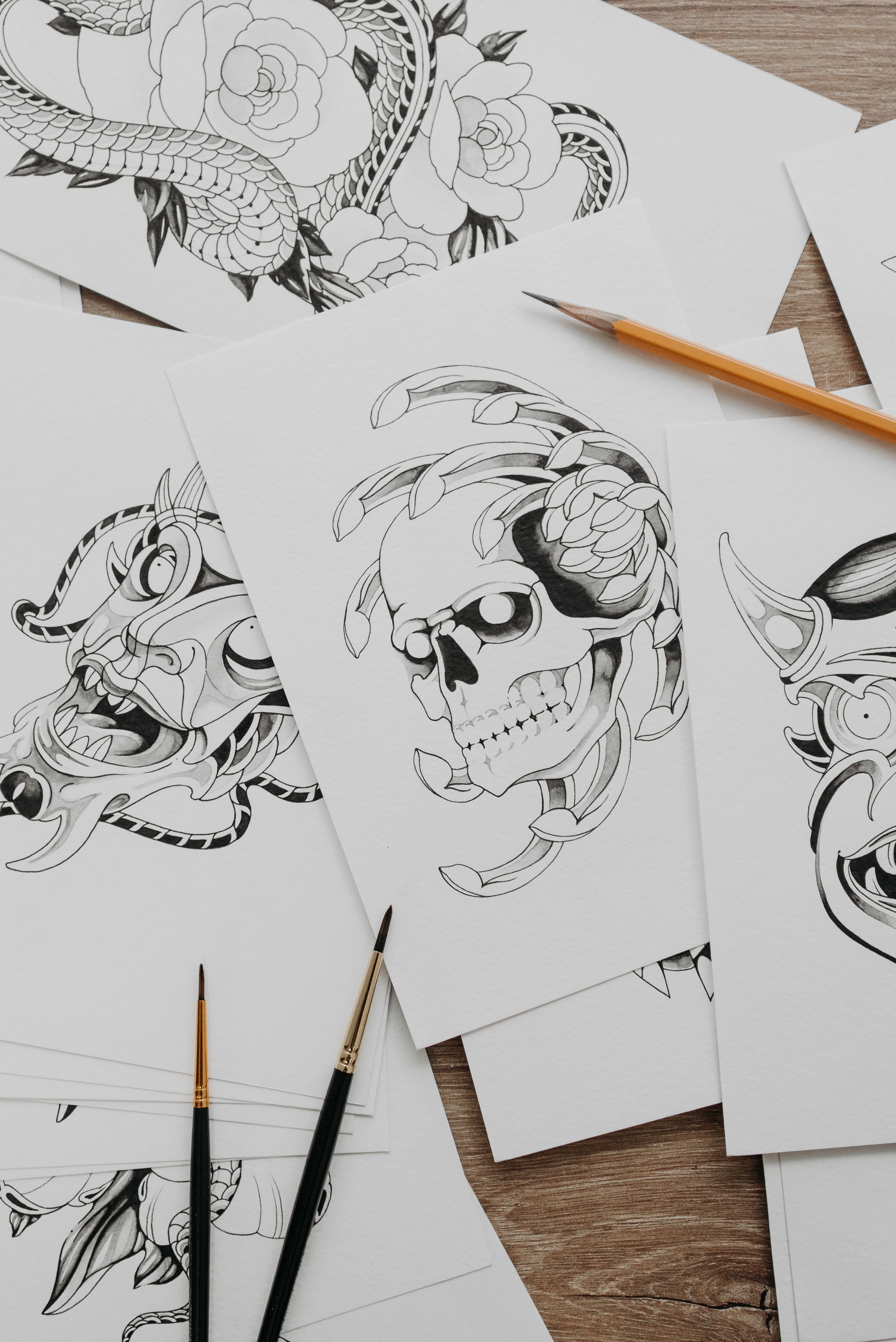
Tattoo Art (Design & Flash)
Like a tattoo itself, these carry spirit — down to their names.
2. Shop by ink characteristics
Soot decides the character, tone decides the mood.
By Material — the soot it is made from
-
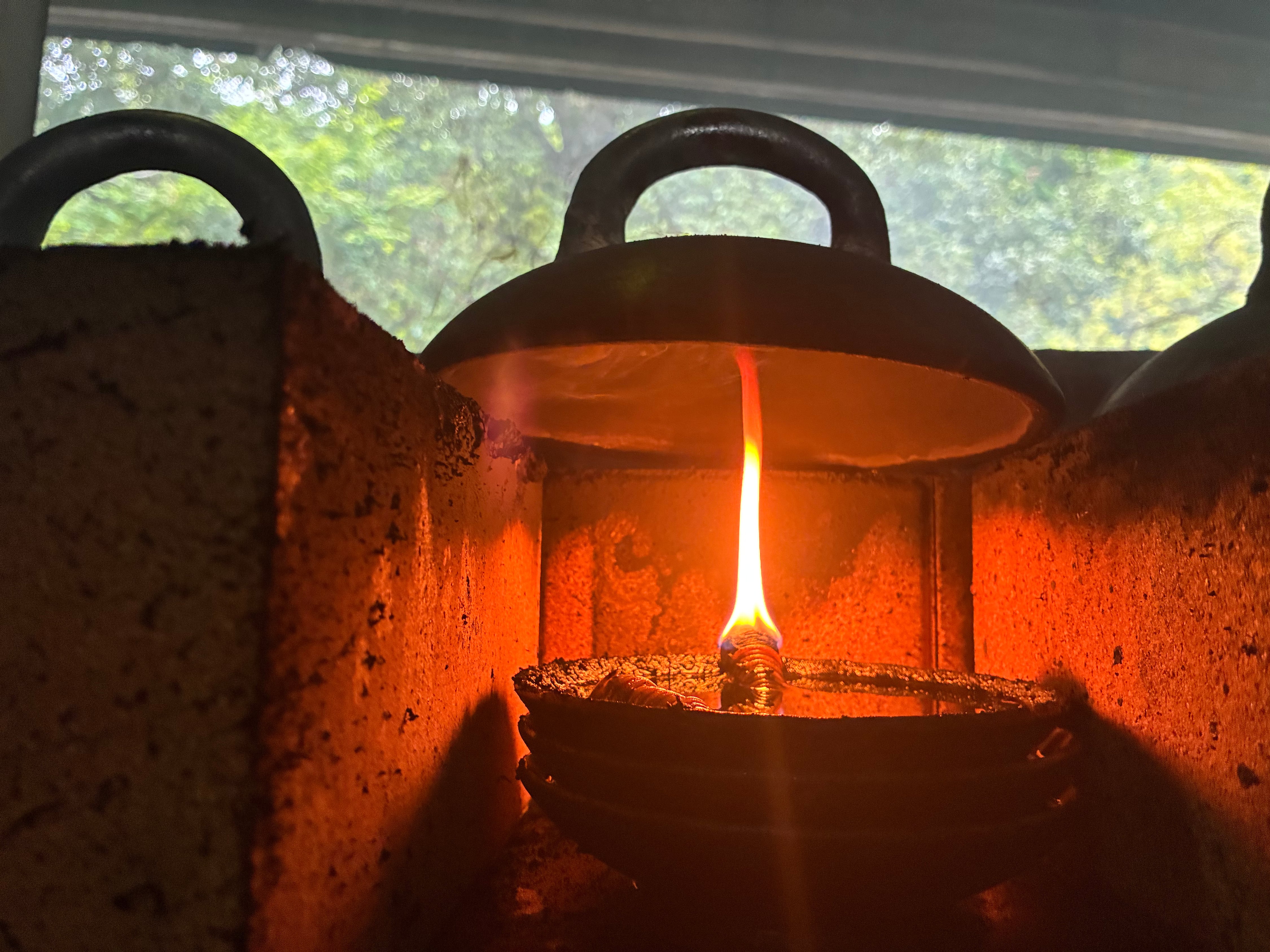
Oil Soot (Yuen)
The most common material, burnt from oil. Its tone is deep and clearly defined.
-
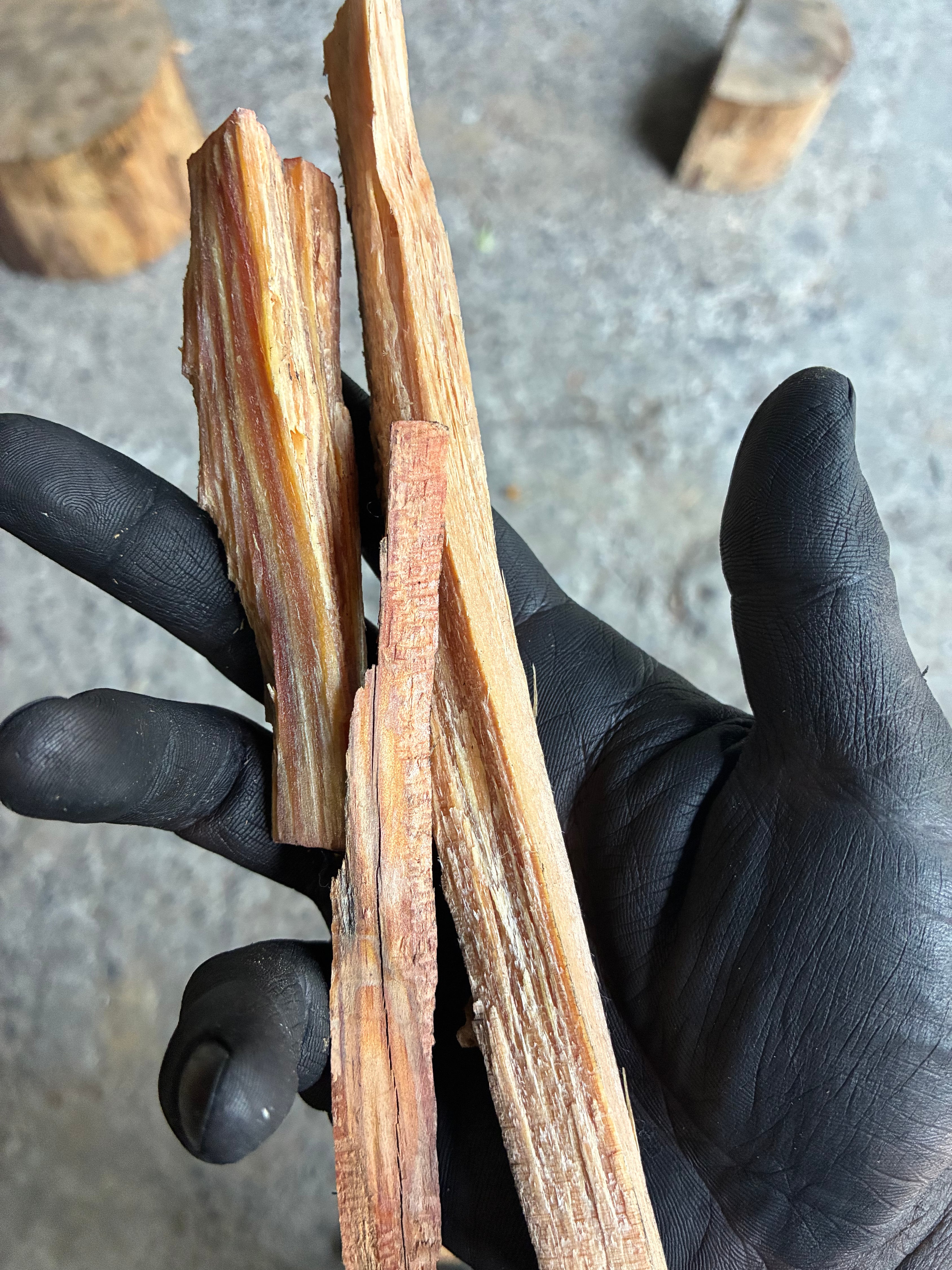
Pine Soot (Shoen)
The traditional material, burnt from pine. Its tone grays as the stick ages. -

Mineral Oil Soot
An affordable material, burnt from mineral oil. Its tone is deep and even.
-
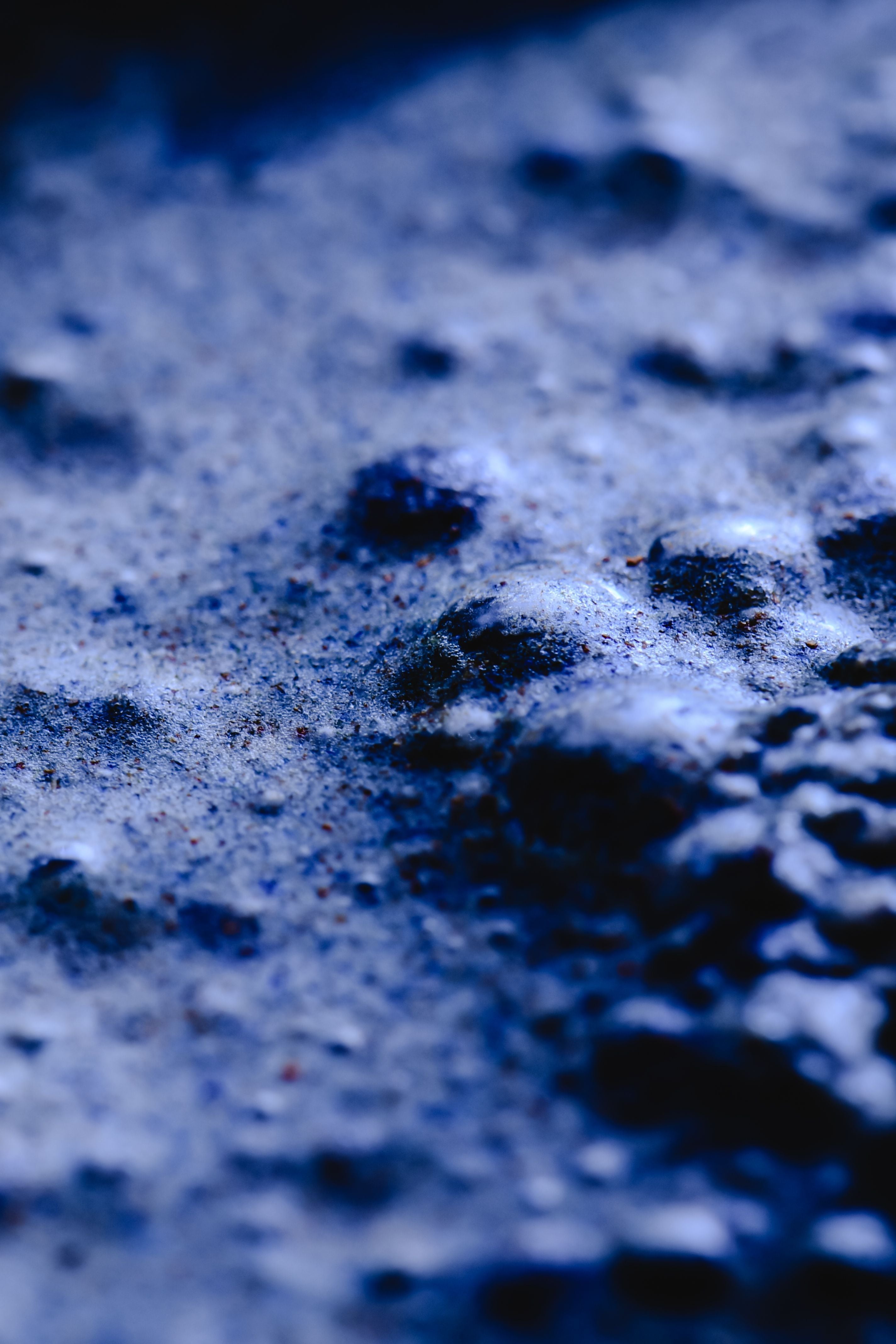
Dye & Pigment
A dye blended into oil soot, not burnt. Its tone is a slightly gray black.
By Color — the tone it dries to
-
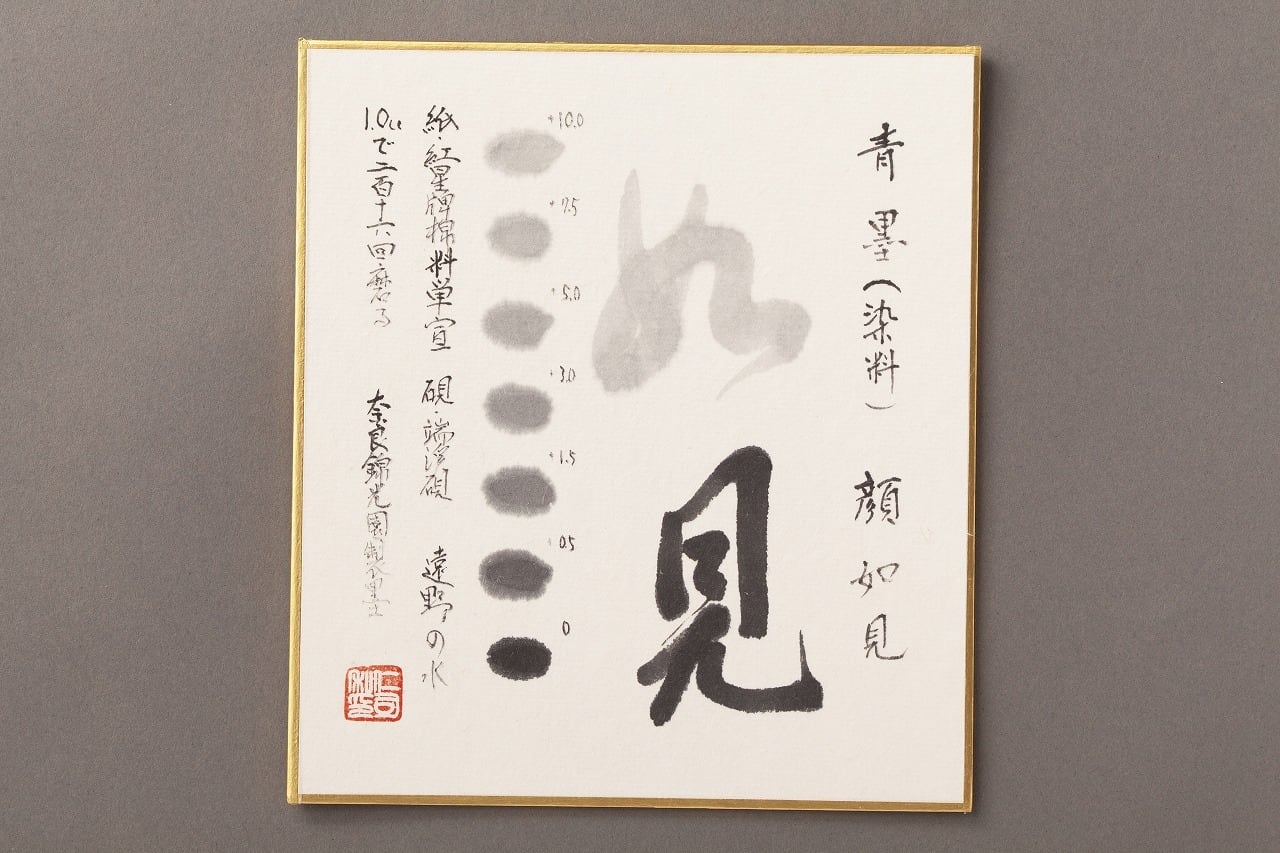
Grayish-Black (Sei-boku)
Blue dye in oil soot. A slightly gray, blue-tinged finish. Cool and clear.
-
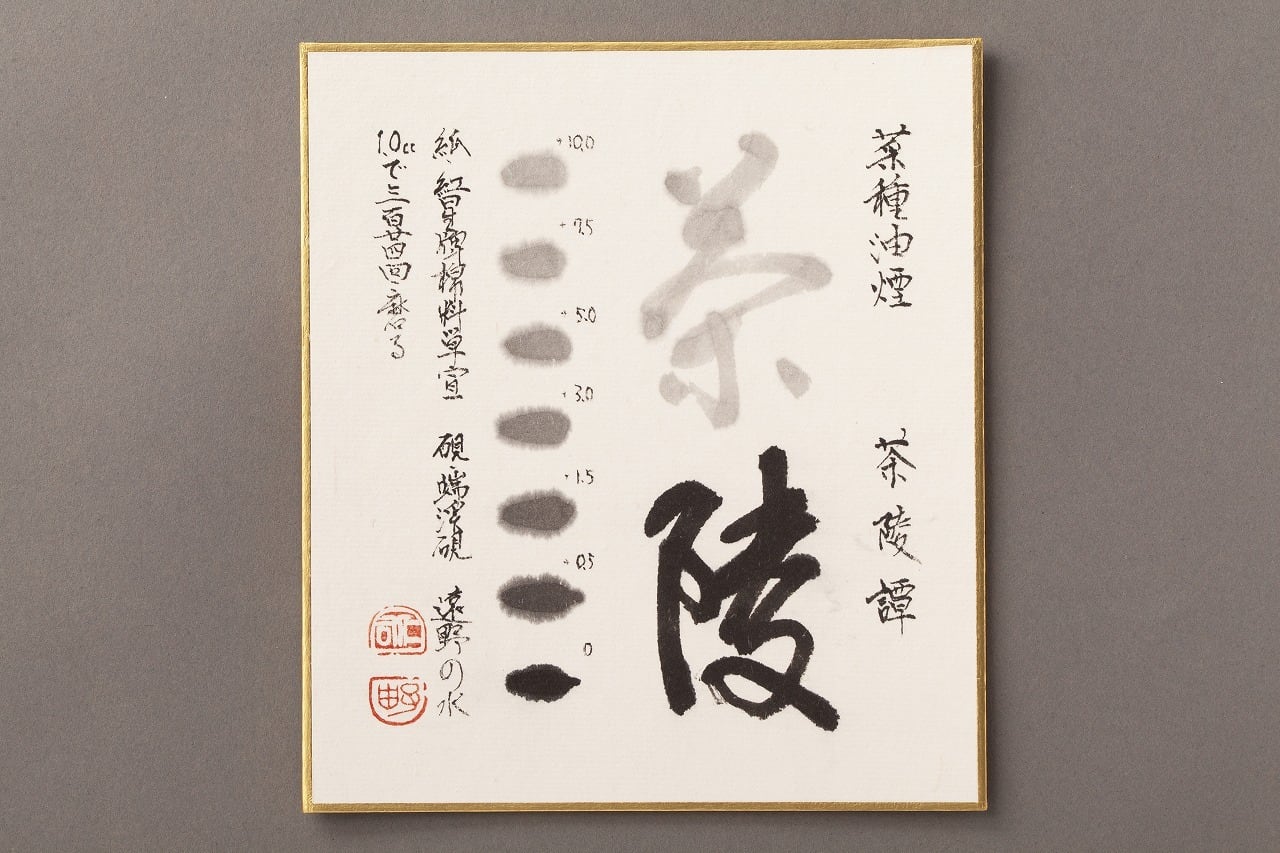
Pure & Intense Black
Ground thoroughly, these ink sticks produce a black of exceptional strength.
3. Gifts & sets
Some of our sticks are made to be looked at and smelled rather than ground down.
They sit well on a shelf, in an entrance hall, or in a box on the way to someone else.
-
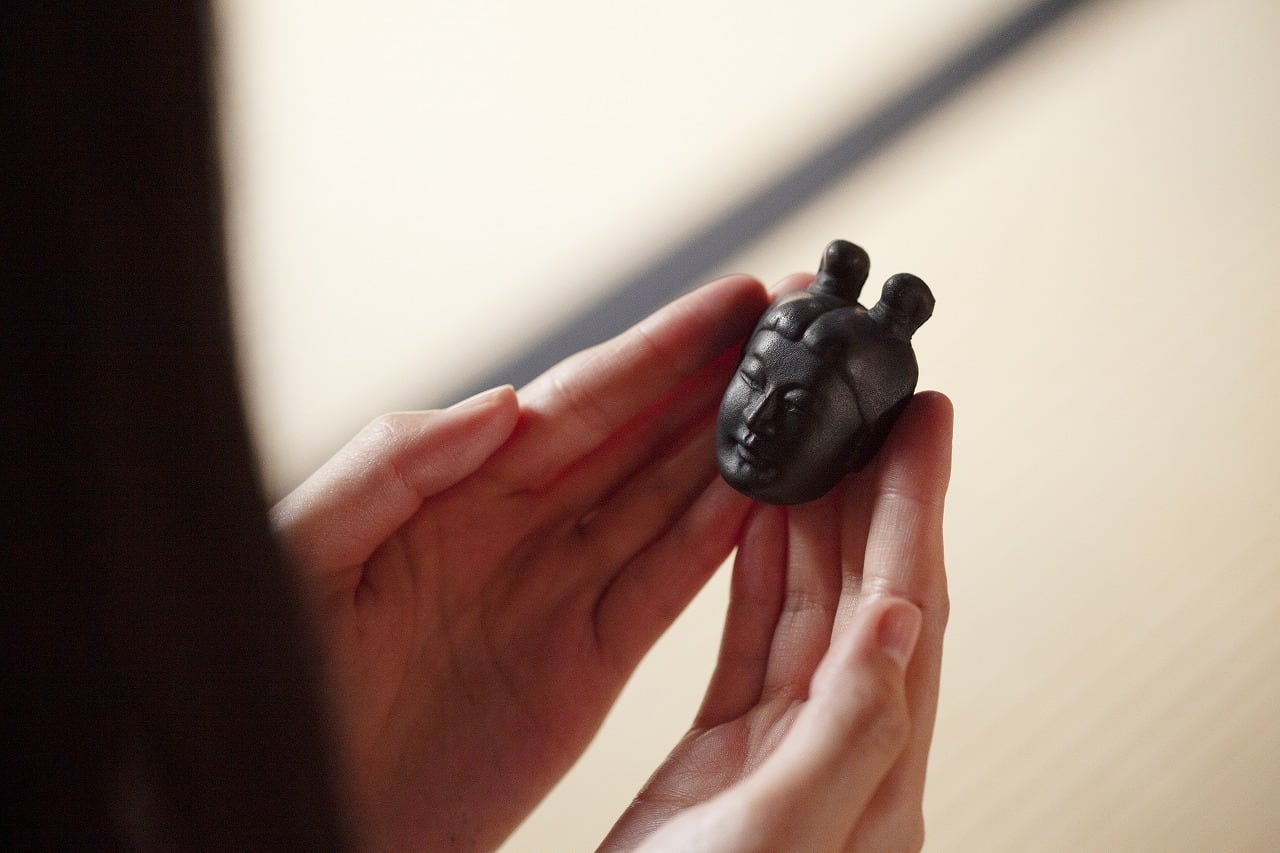
Asuka Fragrance
Fragrant ink sticks modeled on gigaku masks. As much a piece to keep and admire as a material to write with. -
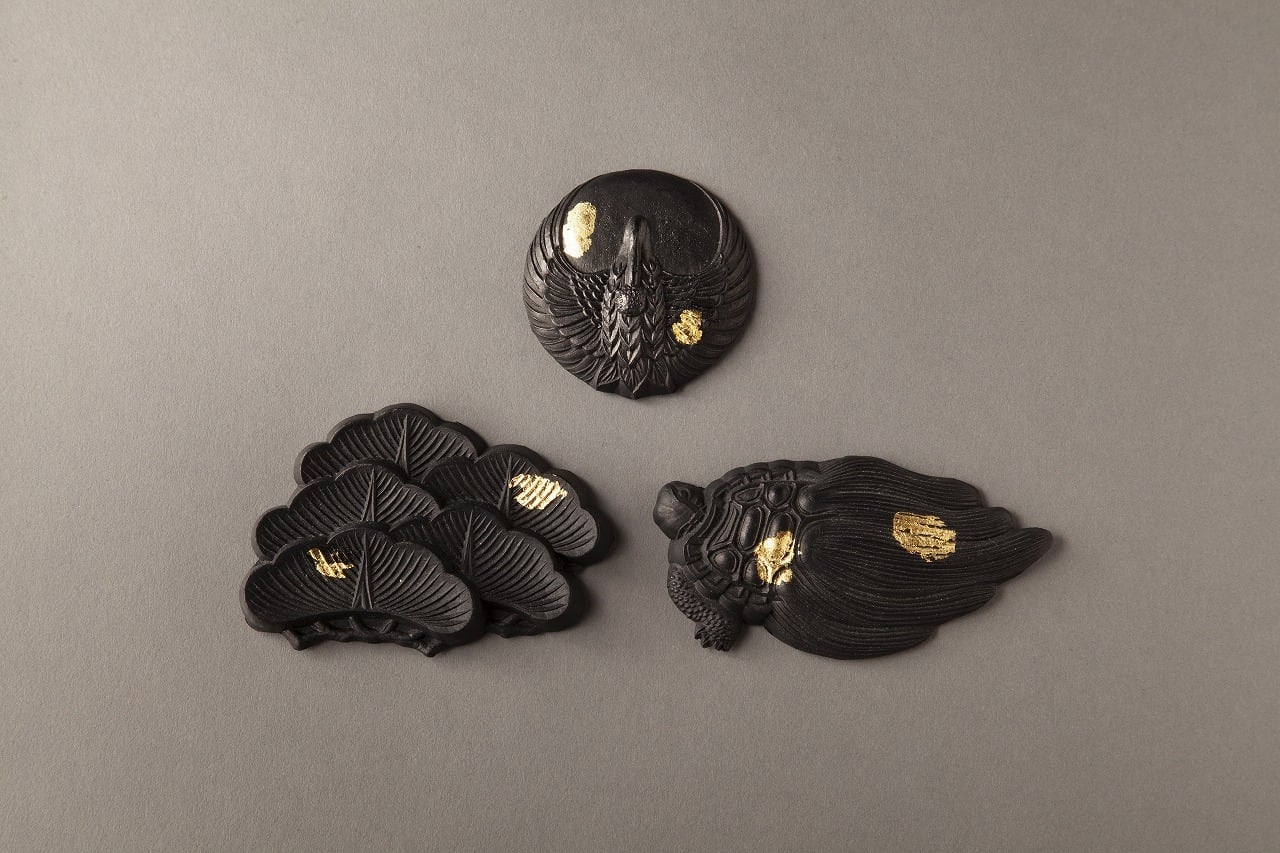
Japanese Sweets
Ink sticks shaped in traditional confectionery molds. Auspicious forms that suit an entrance hall or a shelf.
-
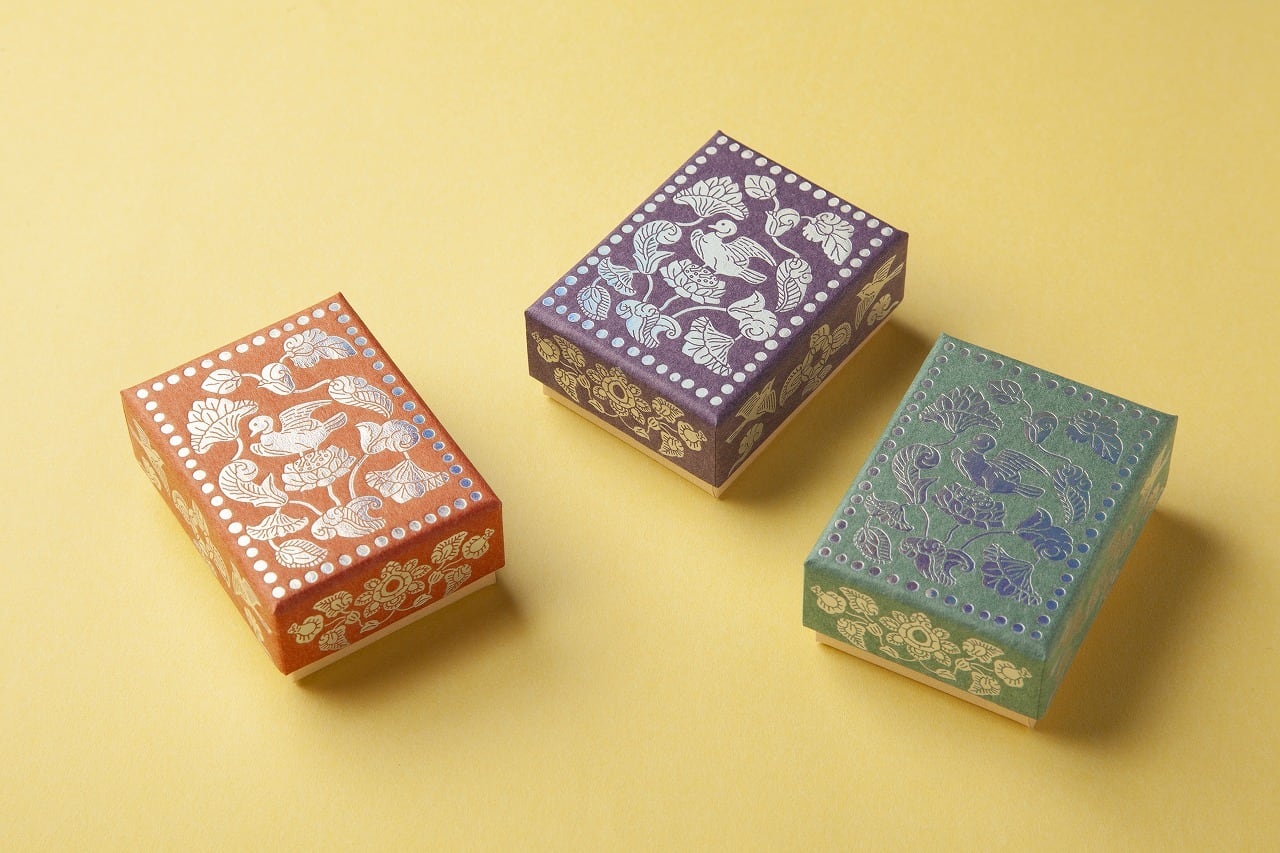
Sets
Three-piece sets at 10% off the total of the individual prices. Each stick boxed, an easy gift.
Soot, glue, and a winter
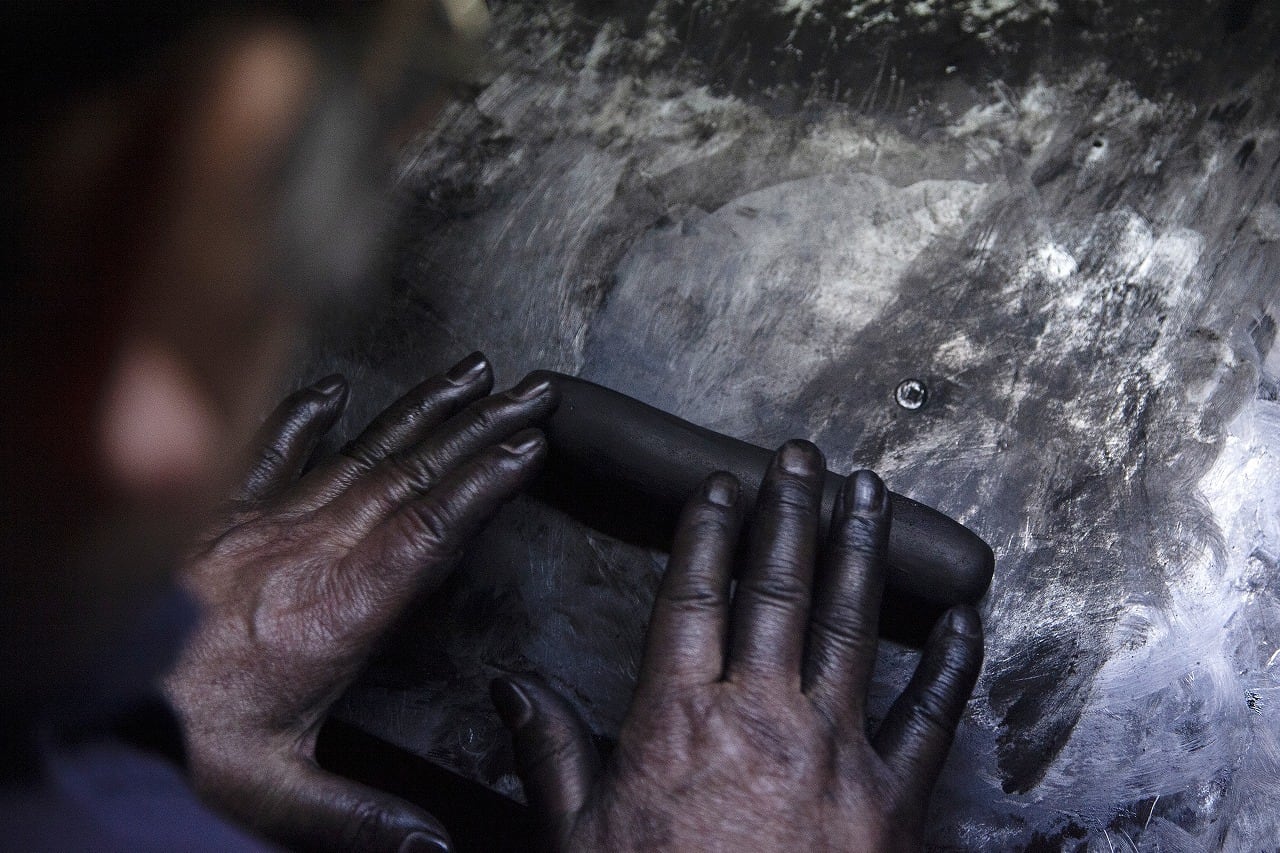
Sumi is soot, animal glue, and a little fragrance, and almost nothing else. They are kneaded together by hand — still by hand, in our workshop — then pressed into carved wooden molds, buried in ash to draw out the water, and hung to dry through the cold months. A stick that reaches you has spent two years drying.
Ink-making is said to have reached Nara in 806, when the monk Kūkai returned from Tang China and made sumi at Kōfukuji Temple. Around ninety percent of Japan's sumi is still made here, and in 2018 Nara sumi was designated a Traditional Craft by Japan's Minister of Economy, Trade and Industry.
Still not sure?
Tell us what you plan to write or paint, and we will point you at two or three sticks.
We would rather you bought the right one once.